
Key Points:
- Conventional roofs can reach temperatures of 150°F or more on a sunny summer afternoon, accelerating the deterioration of asphalt shingles.
- Metal flashing expands and contracts with temperature changes, causing fasteners to loosen and waterproof seals to crack, allowing water infiltration.
- Inadequate attic ventilation traps superheated air, which bakes roofing materials from the inside out and drastically shortens their lifespan.
- When heat damage becomes extensive, consulting an experienced roofer about a full roof replacement is often more cost-effective than continuous patching.
How Summer Heat Impacts Asphalt Shingles in Delaware County
Summer in Delaware County brings long days of sunshine, but that intense heat can be relentless on your home’s exterior. While you seek refuge in the air conditioning, your roof is absorbing the full impact of the sun’s ultraviolet rays and soaring temperatures. Many homeowners do not realize the silent toll this takes on their roofing system until a severe summer thunderstorm reveals the damage.
The combination of high temperatures, high humidity, and intense UV radiation creates a challenging environment for roofing materials. Over time, this constant exposure can compromise the structural integrity of your home’s primary defense against the elements. Understanding how heat affects the specific components of your roof is the first step in preventing catastrophic failure.
When you know the signs of heat-related wear, you can take proactive measures to protect your investment. If the damage is already severe, knowing when to call a professional roofer can save you from more extensive interior water damage. Let’s explore exactly what happens to your asphalt shingles, flashing, and attic ventilation during the peak of a Pennsylvania summer.
The Impact of Heat and UV Rays on Asphalt Shingles
Asphalt shingles are the most common roofing material in Delaware County, prized for their durability and aesthetic appeal. However, they are particularly vulnerable to the effects of extreme summer heat. According to the U.S. Department of Energy, conventional roofs can reach temperatures of 150°F or more on a sunny summer afternoon.
This intense heat causes the asphalt materials to dry out and lose their essential oils. As the oils evaporate, the shingles become brittle and less flexible. This loss of flexibility makes them highly susceptible to cracking, blistering, and curling at the edges, which compromises their ability to shed water effectively.
Furthermore, the sun’s ultraviolet rays continuously break down the chemical bonds in the asphalt. This UV degradation causes the protective granules on the surface of the shingles to loosen and wash away during summer rainstorms. Once the granules are gone, the underlying asphalt is fully exposed, accelerating the deterioration process significantly.
The combination of heat and UV exposure creates a compounding effect. When shingles are exposed to extreme temperatures and intense solar radiation simultaneously, their lifespan is significantly reduced compared to roofs in more moderate climates. This is why regular inspections are particularly important for Delaware County homeowners.
When a roofer inspects a heat-damaged roof, they often find shingles that snap easily under pressure rather than bending. If your shingles have become stiff, cracked, and bare, it is a strong indicator that a roof replacement may be necessary to ensure your home remains protected.
Thermal Shock and Its Effect on Roof Flashing
Flashing is the metal material installed around roof penetrations—such as chimneys, skylights, and vent pipes—as well as in the valleys where two roof slopes meet. Its primary function is to direct water away from these vulnerable areas. However, flashing is highly susceptible to damage from thermal expansion and contraction.
According to the Insurance Institute for Business & Home Safety (IBHS), building materials expand when heated and contract when cooled, and metals tend to expand and contract more than other materials. When metal flashings move due to thermal expansion and contraction, they can loosen or damage fasteners, disengage from cleats and clips, and allow water infiltration at joints.
During a typical summer day in Pennsylvania, the metal flashing expands significantly as it heats up under the direct sun. When the sun sets and the temperature drops, the metal contracts. This daily cycle of expansion and contraction puts immense stress on the fasteners and the sealants holding the flashing in place.
The IBHS provides technical data on thermal expansion rates for common roofing metals. A 10-foot section of steel expands approximately 0.08 inches with a 100°F temperature change, while copper expands approximately 0.11 inches, and aluminum expands approximately 0.15 inches. Over the course of a Pennsylvania summer and winter, metal flashing undergoes thousands of these expansion-contraction cycles.
Over time, this constant movement can cause the nails to back out and the caulking or roofing cement to crack and break its waterproof seal. Once the seal is broken, water from summer storms can easily seep beneath the flashing and into the underlying roof decking and home interior.
A qualified roofer will pay close attention to the condition of your flashing during an inspection. While minor sealant cracks can sometimes be repaired, extensively warped or detached flashing often requires a comprehensive solution, which may include a partial or full roof replacement if the surrounding decking has been compromised by water intrusion.
The Critical Role of Attic Ventilation in Summer
Attic ventilation is perhaps the most misunderstood component of a healthy roofing system. Many homeowners assume ventilation is only important for preventing ice dams in the winter, but it is equally critical during the summer months. Proper ventilation allows cooler outside air to enter through the soffit vents and hot air to escape through the ridge vents.
When an attic is poorly ventilated, the heat from the sun is trapped inside the space. On a 90-degree day, a poorly ventilated attic can reach temperatures approaching 160 degrees. This superheated air essentially bakes your asphalt shingles from the underside, accelerating the drying and cracking process described earlier.
The National Roofing Contractors Association (NRCA) recommends that designers provide at least 1 square foot of Net Free Ventilation Area (NFVA) for every 150 square feet of attic space. This 1:150 ventilation ratio is critical for maintaining proper airflow and preventing heat buildup.
Furthermore, trapped heat can warp the wooden roof decking over time, creating a wavy or uneven appearance on your roofline. This excessive heat also forces your air conditioning system to work much harder to cool your living spaces, leading to significantly higher energy bills during the summer months.
Many asphalt shingle manufacturers include ventilation requirements in their installation guidelines because shingles are tested and rated under expected conditions. Poor ventilation creates harsher conditions than those under which the shingles were designed to perform. When the attic runs hotter than expected, shingle performance can fall outside the normal range, resulting in premature curling, cracking, and granule loss.
If your roofer determines that poor ventilation has caused premature failure of your shingles and decking, simply installing new shingles will not solve the underlying problem. A proper roof replacement must include a comprehensive assessment and upgrade of the attic ventilation system to ensure the new materials reach their full expected lifespan.
When Heat Damage Requires a Roof Replacement
Recognizing the signs of severe heat damage can help you address issues before they lead to costly interior repairs. If you notice widespread curling, significant granule loss in your gutters, or cracked shingles across large sections of your roof, the damage has likely progressed beyond the point of simple patching.
Attempting to repair a severely heat-damaged roof is often a frustrating and expensive endeavor. Brittle shingles are difficult to work with, and disturbing them during a repair can often cause further damage to adjacent areas. In these cases, investing in a complete roof replacement is the most financially sound decision.
A professional roofer can evaluate the extent of the heat damage and provide an honest assessment of your roof’s condition. They will look for the telltale signs of thermal shock, UV degradation, and ventilation issues to determine if your roof can survive another harsh Delaware County summer or if replacement is the only viable option.
Choosing to replace a failing roof not only protects your home from water damage but also provides an opportunity to upgrade to more heat-resistant materials and improve your home’s overall energy efficiency.
The Strath Haven Roofing Process
If you suspect your roof has suffered significant heat damage, understanding the replacement process can help alleviate the stress of a major home improvement project. At Strath Haven Roofing & Restoration, we follow a meticulous process refined over 33 years of serving Delaware, Chester, and Montgomery Counties.
The process begins with a comprehensive inspection by an experienced roofer. We evaluate the shingles, flashing, decking, and attic ventilation to identify the root causes of any damage. We then provide a detailed, transparent estimate outlining the scope of work required for a successful roof replacement.
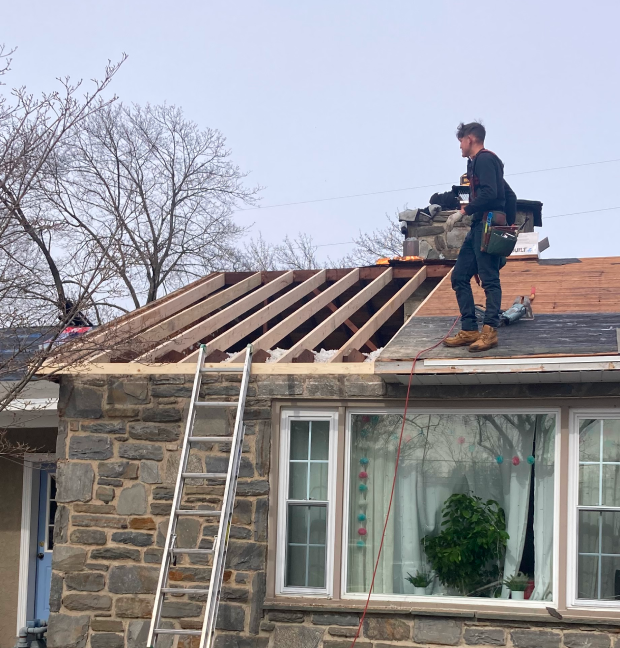
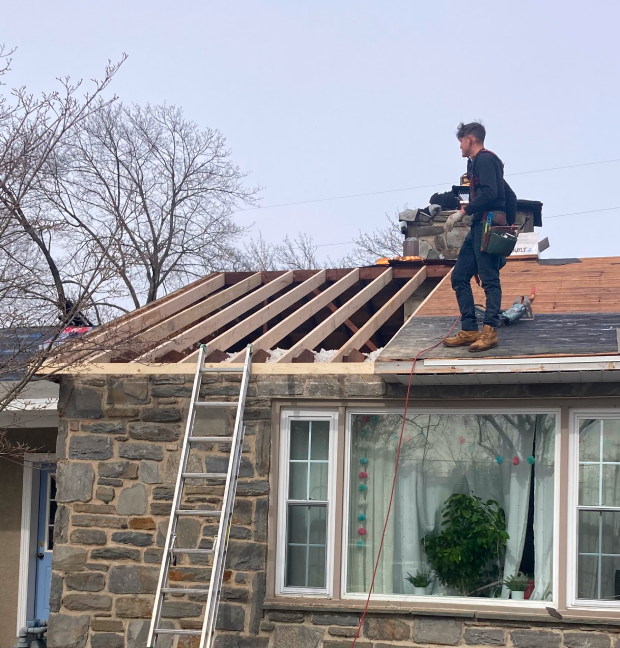
Once the project begins, our team carefully removes the old, damaged materials down to the wooden decking. We inspect the decking for any heat-warped or water-damaged sections and replace them as necessary. We then install high-quality underlayment, ice and water shields, and new flashing to create a watertight barrier.
Finally, we install premium, heat-resistant asphalt shingles and ensure the attic ventilation system is optimized for maximum airflow. Our commitment to exceptional quality and prompt, efficient service means your new roof will be built to withstand the harshest Pennsylvania summers for decades to come.
Common Questions About Summer Roof Damage and Maintenance
How can I tell if my attic is poorly ventilated?
Signs of poor attic ventilation include excessively high energy bills in the summer, a noticeable heat difference when you walk into the attic, and premature curling or cracking of your asphalt shingles. You may also notice a wavy appearance to your roofline or find excessive granules in your gutters.
Can heat damage be repaired, or is a roof replacement always necessary?
Minor heat damage, such as a few cracked shingles or a small section of loose flashing, can often be repaired. However, if the shingles are universally brittle, curling, or losing significant granules due to prolonged UV exposure, a full roof replacement is usually the most cost-effective long-term solution.
What type of shingles are best for hot climates?
While standard asphalt shingles are common, architectural or dimensional shingles offer better durability and heat resistance. Light-colored shingles also reflect more of the sun’s heat compared to dark colors, which can help keep the roof surface cooler and reduce heat absorption into your home.
How often should a roofer inspect my roof for heat damage?
We recommend having a professional roofer inspect your roof at least once a year, preferably in the spring or fall. Regular inspections can identify early signs of thermal shock or UV degradation before they require a complete roof replacement.
Will a new roof lower my summer cooling costs?
Yes, a properly installed roof replacement that includes upgraded attic ventilation and modern, reflective shingle technology can significantly reduce the amount of heat transferred into your home, thereby lowering your reliance on air conditioning and reducing your energy bills.
Protecting Your Roof from Extreme Summer Heat in Delaware County
The intense summer heat in Delaware County is an unavoidable reality, but its damaging effects on your home do not have to be. By understanding how high temperatures and UV rays degrade asphalt shingles, compromise flashing through thermal expansion, and overwhelm poor attic ventilation, you can take steps to protect your property.
Do not wait for a severe summer storm to reveal the hidden vulnerabilities in your roofing system. If your roof is showing signs of advanced heat damage, consulting a trusted local professional is the smartest move you can make.
At Strath Haven Roofing & Restoration, our 33 years of experience have taught us exactly how to build roofs that endure the toughest Pennsylvania weather. We pride ourselves on our unmatched experience, exceptional quality, and dedicated customer service.
If you are concerned about the condition of your roof, contact Strath Haven Roofing today. Our expert roofers will provide a thorough inspection and honest guidance on whether a repair or a full roof replacement is the best choice to keep your home safe, cool, and secure.