
Key Points:
•Documenting all roof damage with photos and videos before removing debris is a critical first step for insurance claims.
•Homeowners should take immediate action to mitigate further damage by making temporary repairs, such as covering holes with tarps.
•Safety is paramount during the initial damage assessment, requiring proper protective gear and extreme caution around structural elements.
•A professional roofer can provide a comprehensive assessment to determine if a full roof replacement is necessary after severe storm damage.
Why Summer Storms Damage Roofs and What You Need to Know
Summer storms in Delaware County can strike with terrifying speed and intensity, bringing high winds, heavy rain, and damaging hail. When the skies finally clear, the immediate aftermath can be an overwhelming experience for homeowners. Discovering that your home’s primary defense against the elements has been compromised often leads to feelings of anxiety and uncertainty about what steps to take next.
Taking the right actions immediately following a severe weather event is crucial for protecting your property and ensuring a smooth recovery process. A hasty or incorrect response can inadvertently complicate your insurance claim or expose your home to further water damage. Understanding the proper procedures recommended by emergency management and insurance professionals provides a clear roadmap during a chaotic time.
This guide outlines the essential steps every Delaware County homeowner should follow when assessing post-storm roof damage. From the initial safety checks to the final decision on whether a roof replacement is necessary, following these authoritative guidelines will help you navigate the recovery process with confidence.
Prioritizing Safety During the Initial Assessment
The moments immediately following a severe summer storm are often the most dangerous. Before you even begin to assess the damage to your roof, you must prioritize your personal safety and the safety of your family. The American Red Cross emphasizes that cleaning up after a disaster means facing a wide range of hazards, including splintered wood, sagging ceilings, and potentially compromised structural elements.
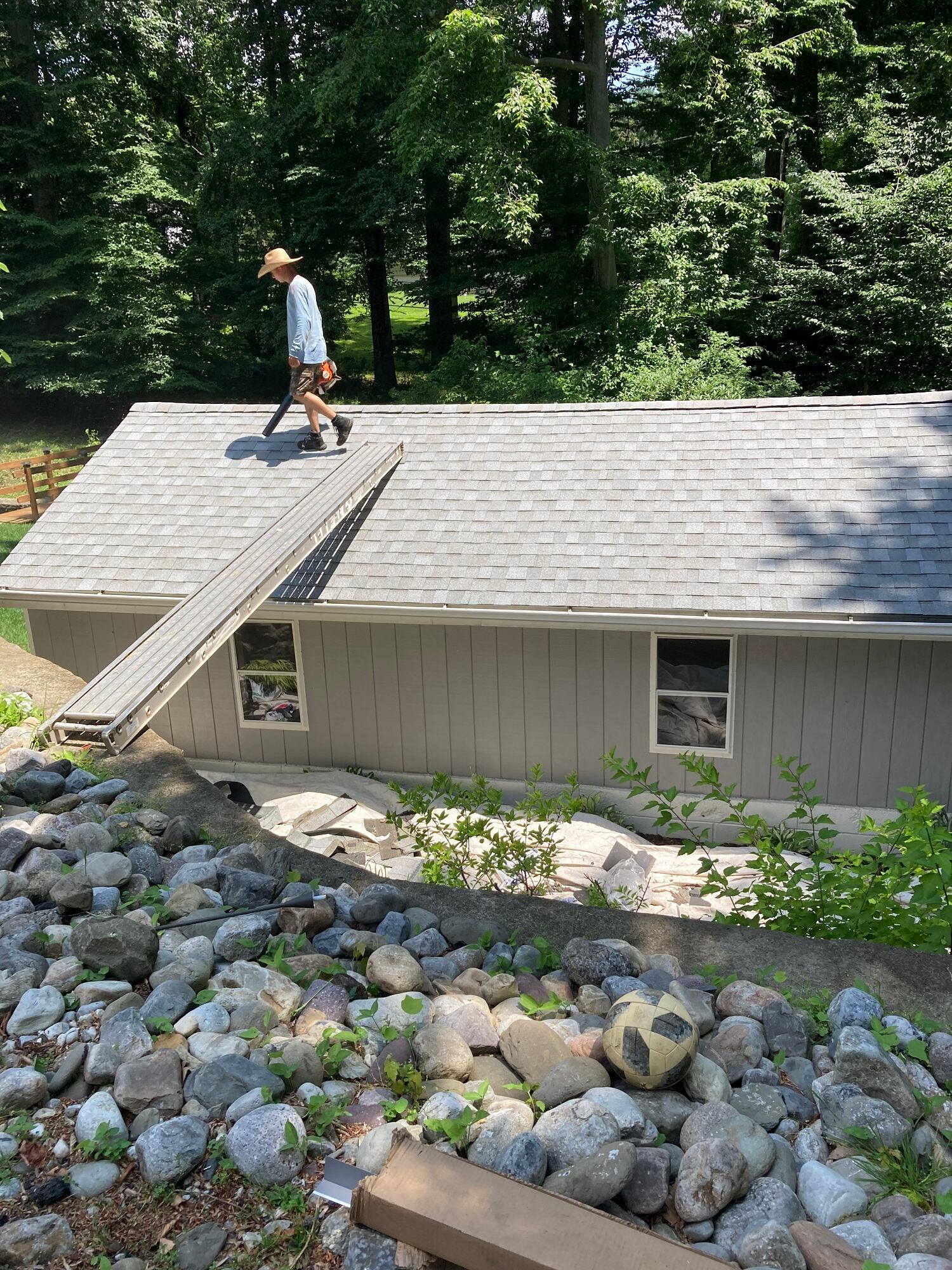
Never attempt to climb onto a damaged roof yourself. High winds and heavy rain can severely weaken the roof decking, making it unsafe to support human weight. Furthermore, downed power lines or hidden electrical hazards pose a significant risk of electrocution. If you must venture outside to inspect the damage from the ground, the American Red Cross recommends wearing long pants, a long-sleeved shirt, sturdy boots, and work gloves at a minimum.
Begin your assessment by conducting a visual inspection from a safe distance. Walk the perimeter of your property and look for obvious signs of destruction. Note any missing shingles, large branches resting on the roofline, or sections of metal flashing that have been torn away. If you notice significant sagging in the roof structure or if water is actively pouring into your living spaces, evacuate the home immediately and contact emergency services.
Documenting the Damage for Insurance Claims
Once you have established that the area is safe to navigate, your next priority is documentation. The National Association of Insurance Commissioners (NAIC) strongly advises homeowners to document all losses before removing any debris or belongings. This documentation serves as the foundation for your insurance claim and provides critical evidence of the storm’s impact on your property.
Use your smartphone or a digital camera to take extensive photos and videos of the damage from multiple angles. Capture wide shots that show the overall context of the destruction, as well as close-up images of specific issues like cracked shingles or dented vents. If hail was involved, place a common object like a coin next to the hailstones to provide a sense of scale in your photographs.
In addition to visual evidence, the NAIC recommends making a detailed written list of all the damages and any lost items. If possible, save damaged items so your insurance adjuster can inspect them later if necessary. This meticulous record-keeping demonstrates to your insurance company the full extent of the loss and helps ensure that you receive the appropriate compensation for a necessary roof replacement.
Mitigating Further Damage with Temporary Repairs
After thoroughly documenting the destruction, homeowners have a responsibility to prevent the situation from worsening. Insurance policies refer to this process as mitigation. The NAIC states that homeowners should take reasonable steps to avoid further destruction to their home or belongings. Failing to mitigate the damage can sometimes result in the denial of coverage for subsequent issues, such as extensive interior water damage or mold growth.
Mitigation often involves making temporary repairs to the roof. This might include securing a heavy-duty tarp over a hole created by a fallen branch or boarding up broken skylights. The NAIC notes that insurance companies will typically reimburse the cost of these temporary repairs as part of your overall claim, assuming the initial loss was covered by your policy.
It is crucial to remember that these are temporary measures designed only to stop immediate water intrusion. They are not a substitute for professional repairs. If you are unable to safely perform these temporary fixes yourself, you should immediately contact a qualified roofer to provide emergency tarping services. Keep a meticulous record of all receipts associated with these mitigation efforts for your insurance adjuster.
Navigating the Insurance Claims Process
With the immediate damage mitigated, you must initiate the formal claims process. Most insurance companies have strict time requirements for reporting a claim, so the NAIC advises contacting your agent or company as soon as possible. Provide them with the documentation you gathered during your initial assessment, including the photos, the videos, and the detailed list of damages.
After you report the damage, your insurance provider will send a claims adjuster to assess the situation at no cost to you. The adjuster will walk through your home and inspect the exterior to determine the scope of the loss. They will evaluate the damaged items, the temporary repairs you made, and the overall condition of the roof structure.
Once the adjuster completes their assessment, they will provide documentation to your insurer to determine your settlement. It is highly recommended to have your chosen roofer present during the adjuster’s inspection. A professional roofer can point out subtle structural damage that an adjuster might miss, ensuring that the estimate accurately reflects the cost of a comprehensive roof replacement if one is required.
How Do I Know I Won’t Be Scammed?
This is the most common question homeowners in Swarthmore, Wallingford, and Media ask after a storm, and it is entirely justified. The chaotic aftermath of a severe summer storm often attracts unscrupulous individuals looking to exploit vulnerable homeowners. Home repair fraud is incredibly common following natural disasters. The NAIC warns that aggressive contractors often enter disaster-struck regions looking to make quick money by taking advantage of victims.
Red Flags to Avoid
Before you sign any contract or hand over any money, watch out for these warning signs. A contractor who shows up at your door uninvited after a storm, demands cash or a check before any work is done, or pressures you to sign a contract immediately is likely not operating in your best interest. Storm chasers often have out-of-state license plates and will disappear after the check clears.
The NAIC specifically warns against contractors who demand up-front payment in cash. Never pay cash or write a check before services are rendered. If a contractor won’t accept a payment plan or insists on full payment before work begins, that’s a major red flag. Also be cautious of contractors who have no local presence or verifiable history. A legitimate roofer should be able to provide references from homeowners in your area, proof of licensing and insurance, and a track record you can verify.
What to Look For
A trustworthy roofer has established roots in the community and a proven track record. Ask for references from friends and family who have used their services. Verify that the contractor is properly licensed and insured in Pennsylvania. Get multiple bids and compare them carefully. A reputable contractor will be happy to explain the differences between estimates and won’t pressure you into making a hasty decision.
Look for a company that uses its own full-time crews rather than subcontractors. This shows they stand behind their work and have accountability. A company with decades of experience in your area has too much to lose by cutting corners or disappearing after a job. The best contractors are transparent about their process, responsive to your questions, and committed to treating your home with care. They’ll explain what they’re doing at every stage and won’t rush you through the decision-making process.
The Role of a Professional Roofer in Recovery
While your insurance adjuster determines the financial aspect of your claim, a professional roofer is essential for restoring the physical integrity of your home. Assessing the true extent of storm damage requires specialized knowledge and training. The National Roofing Contractors Association (NRCA) provides detailed guidelines for assessing hail and wind damage, noting that professional testing may be required to supplement visual observations.
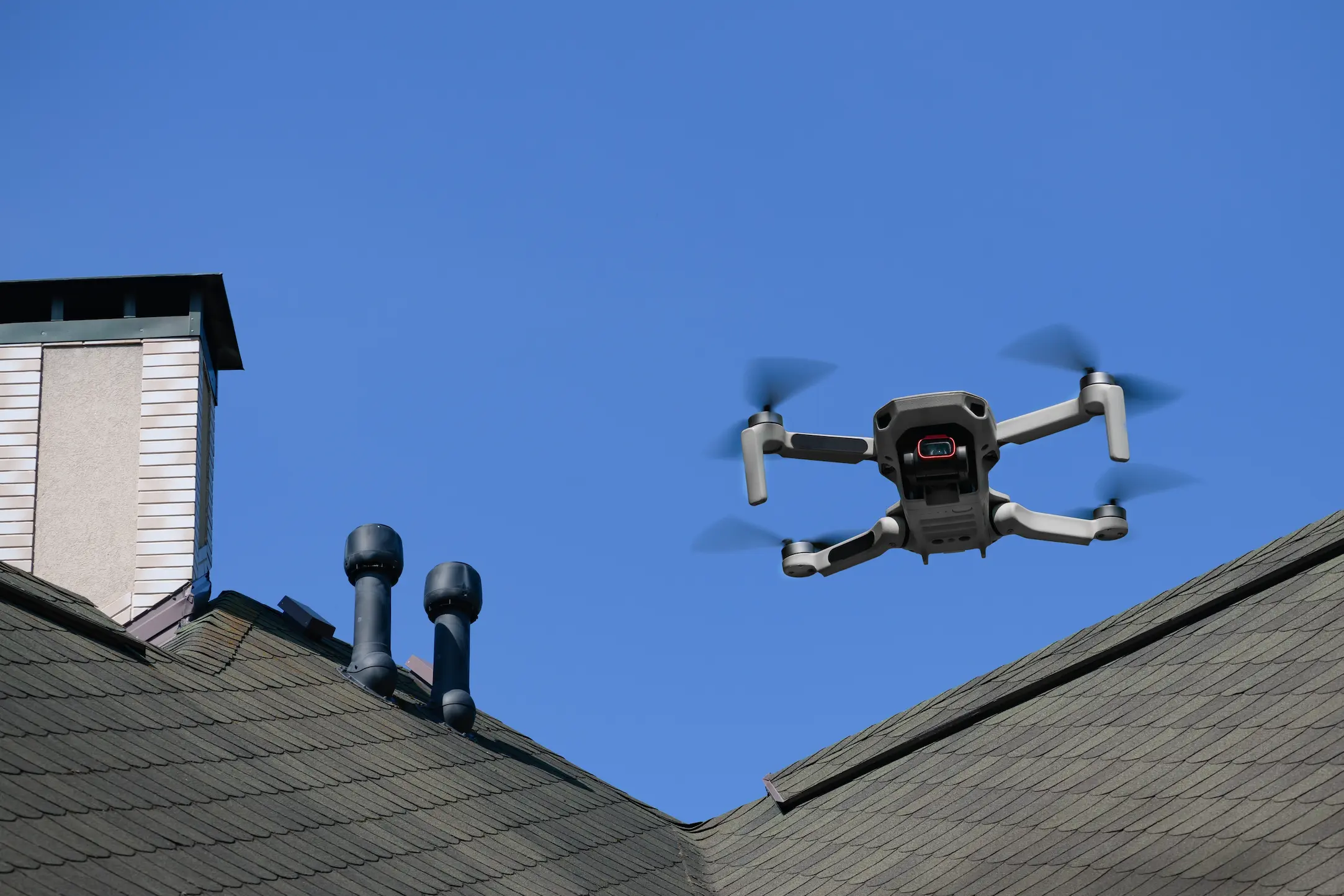
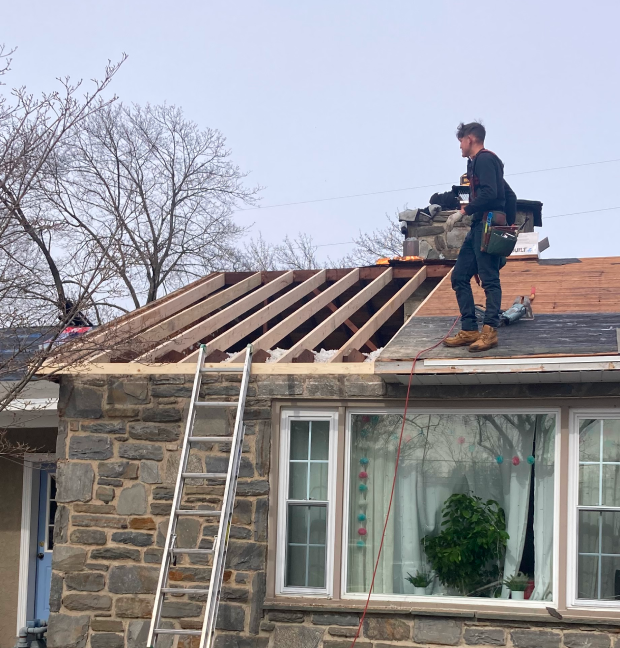
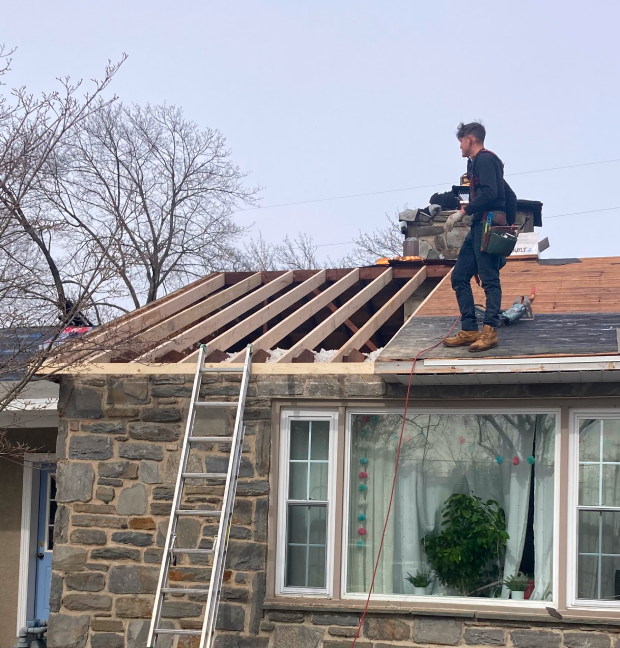
A qualified roofer will conduct a comprehensive inspection that goes far beyond a simple visual check. They will evaluate the condition of the underlayment, inspect the flashing around the stone chimneys common on older homes in Rose Valley, and check for hidden structural damage to the original board sheathing often found in Victorian homes. This thorough assessment is critical for determining whether a targeted repair is sufficient or if a complete roof replacement is necessary to guarantee your home’s safety.
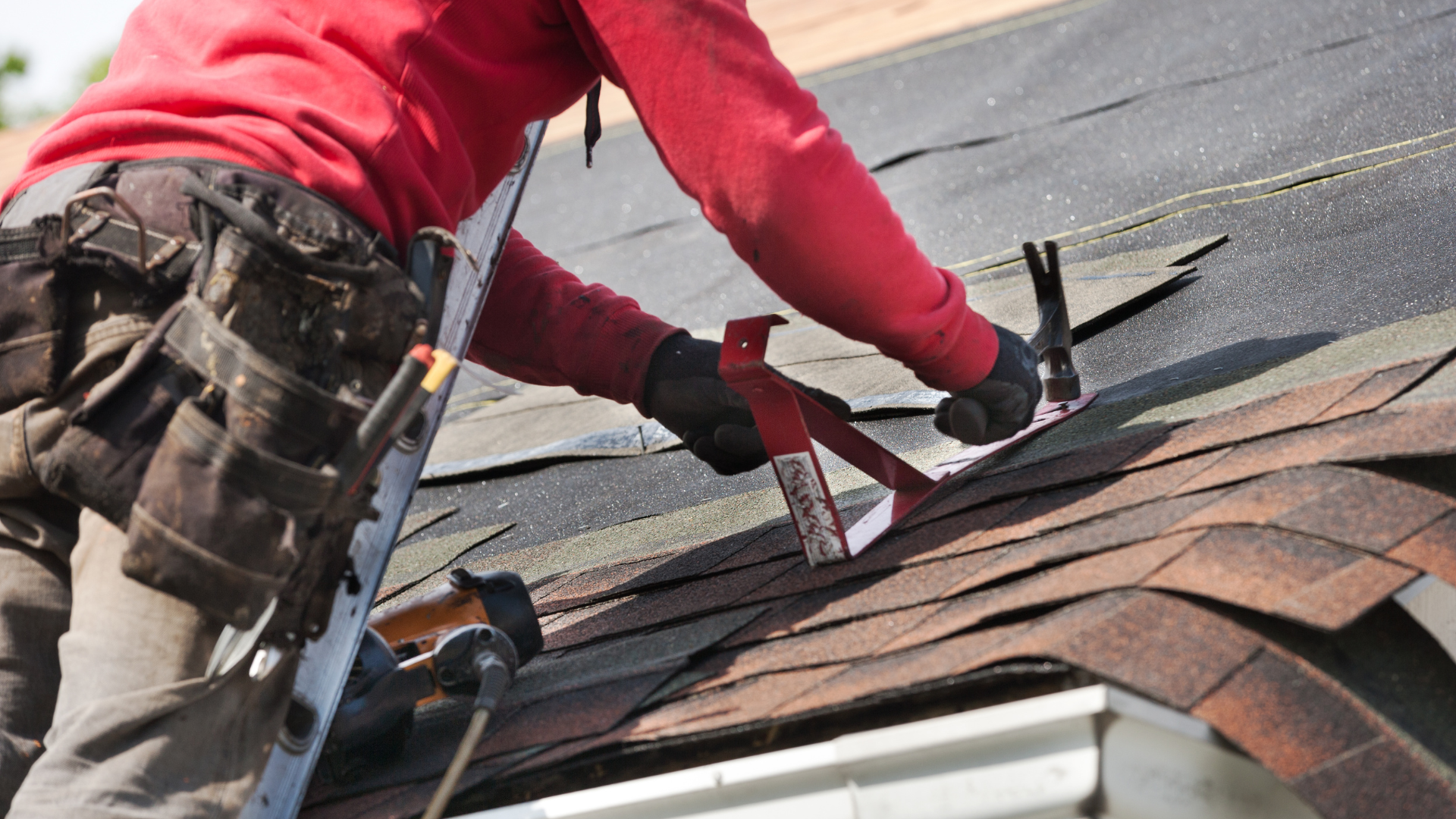
If a roof replacement is required, an experienced local contractor will guide you through the selection of new materials that offer better resistance to future severe weather. They understand the specific building codes and weather challenges unique to Delaware County, ensuring that your new roof provides lasting protection and peace of mind for years to come.
Choose a Trustworthy Roofer and Move Forward with Confidence
Dealing with storm damage is stressful, but taking the right steps immediately can make all the difference. Document everything, prioritize safety, mitigate further damage, and choose a roofer you can trust.
When you’re ready to move forward with repairs or a roof replacement, look for a contractor with the qualities outlined above: decades of local experience, quick response times, exceptional craftsmanship, responsive customer service, and proper licensing and insurance. You deserve a partner who treats your home with the same care they’d give their own.
Strath Haven Roofing & Restoration embodies these qualities. With over 33 years of continuous service in Delaware County, we’ve built our reputation on unmatched experience, dedicated craftsmanship, and customer service that puts your home first. Our founder, Jim Rothschild, and our team of specialists have solved every roofing challenge imaginable. We respond quickly when storms hit, we use only the best materials, and we’re transparent about every step of the process. We’re not a temporary operation—we’re your neighbors, and we’re here to help.
Schedule a comprehensive roof inspection with Strath Haven Roofing & Restoration. Our team will assess the damage, explain exactly what you’re looking at, and help you determine the best path forward—no pressure, no surprises.
FAQ
1. Does homeowners insurance cover roof replacement after a storm?
Yes, most homeowners’ insurance policies cover roof replacement if the damage was caused by a sudden, unforeseen event like a severe summer storm. However, coverage depends on the specific terms of your policy and the extent of the damage.
2. Should I call my insurance company or a roofer first?
It is generally recommended to call a professional roofer first. They can provide an initial assessment of the damage and help you determine if it is severe enough to warrant filing an insurance claim. A roofer can also provide temporary repairs to prevent further damage.
3. How long do I have to file a claim for storm damage?
The timeframe for filing an insurance claim varies depending on your policy and the insurance company. Most companies require you to report the damage as soon as possible, often within 30 to 60 days of the event.