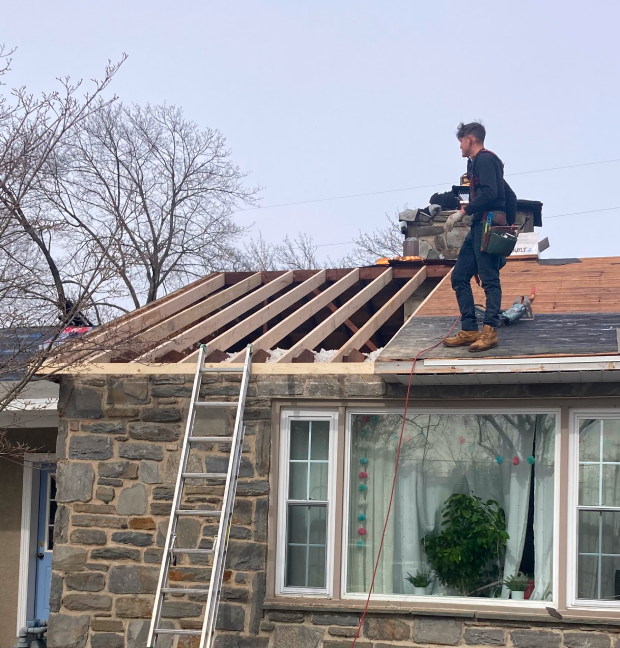

Siding installation becomes urgent when damaged siding is ignored for too long. Many homeowners notice cracks, warping, or loose panels but decide to wait until next season. At first, the damage may look cosmetic. Over time, however, that delay can lead to serious structural and financial problems.
If you are considering siding installation, this guide explains what really happens when damaged siding is left untreated.
Why Damaged Siding Should Never Be Ignored
Siding is more than a decorative exterior. It protects your home from moisture, pests, temperature swings, and wind. When siding fails, the layers underneath become exposed.
In Delaware County, homes face:
- Heavy rain in spring
- Humid summers
- Strong fall storms
- Freezing winter temperatures
These seasonal changes quickly worsen small siding issues.
What Happens When You Delay Replacing Damaged Siding?
Putting off siding installation often starts as a short-term money decision. Unfortunately, it usually becomes a long-term expense.
1. Water Damage Spreads Behind the Walls
Cracked or loose siding allows water to seep behind panels. Once moisture enters, it can soak:
- Wall sheathing
- Insulation
- Wooden framing
Over time, this leads to rot and mold growth.
2. Mold and Mildew Develop Inside the Home
Moisture trapped behind siding creates the perfect environment for mold. Mold may spread silently inside walls before becoming visible.
This can lead to:
- Musty odors
- Respiratory concerns
- Expensive remediation
Replacing siding early prevents these conditions.
3. Energy Bills Increase
Damaged siding weakens your home’s insulation barrier. Gaps allow heat to escape in winter and hot air to enter in summer.
This forces your HVAC system to work harder and raises monthly utility bills.
4. Structural Damage Becomes More Expensive
What starts as minor siding damage can turn into framing repairs. Once structural wood rots, repairs become far more complex.
Delaying siding installation can mean:
- Replacing wall studs
- Repairing subfloor areas
- Addressing insulation damage
These costs add up quickly.
5. Pest Infestations Become More Likely
Small openings in siding create entry points for:
- Insects
- Rodents
- Birds
Once pests get inside walls, removal and repair costs increase significantly.
6. Home Value Drops
Curb appeal matters in Delaware County neighborhoods. Warped or damaged siding reduces a home’s appearance and resale value.
Buyers often see damaged siding as a sign of deeper neglect.
Siding Installation in Delaware County, PA: Why Weather Makes Delays Risky
Local climate conditions accelerate siding damage.
Freeze-Thaw Cycles
Water trapped behind siding freezes and expands. This widens cracks and separates panels.
Summer Humidity
High humidity increases moisture exposure. Warped siding often worsens during hot months.
Storm Exposure
Wind-driven rain forces water into small openings. Damaged siding panels may loosen further during storms.
Signs You Should Not Wait Any Longer
Some warning signs mean siding installation should not be delayed.
Look for:
- Soft spots when pressing against siding
- Bubbling or peeling paint
- Visible mold growth
- Panels pulling away from the home
- Persistent drafts indoors
These symptoms often signal hidden damage beneath the surface.
Can Damaged Siding Be Repaired Instead of Replaced?
Homeowners often ask if small repairs are enough.
When Repairs May Work
- Damage is limited to one small section
- Moisture has not spread behind walls
- Panels are still structurally sound
When Replacement Is the Better Option
- Multiple areas show cracking or warping
- Moisture damage is present
- Siding is more than 15 to 20 years old
- Repairs have already been attempted
In many cases, full siding installation provides better long-term protection.
How Delaying Siding Installation Affects Long-Term Costs
Waiting may seem like saving money, but long-term costs usually increase.
Delays can lead to:
- Larger repair areas
- Interior drywall replacement
- Mold remediation
- Higher labor expenses
- Reduced insulation performance
Addressing damage early keeps repairs manageable.
What to Expect From Professional Siding Installation
Professional siding installation does more than replace panels.
A thorough installation includes:
- Removing damaged materials
- Inspecting underlying sheathing
- Repairing hidden moisture damage
- Installing proper moisture barriers
- Securing panels correctly for local weather conditions
This process ensures your home is protected for years.
How Often Should Siding Be Inspected?
Routine inspection helps catch early damage.
Homeowners should:
- Perform visual checks each season
- Inspect after major storms
- Schedule professional inspections every few years
Regular monitoring prevents surprises.
Frequently Asked Questions About Siding Installation
What happens if siding damage is only cosmetic?
Cosmetic damage can still allow moisture intrusion. It is best to inspect early.
Can new siding improve energy efficiency?
Yes. Modern siding systems improve insulation and reduce drafts.
Is siding installation disruptive?
Most siding projects are completed in stages with minimal interruption.
How long does siding typically last?
Depending on material, siding can last 20 to 40 years with proper maintenance.
Helping Homeowners Protect Their Homes With Siding Installation in Delaware County, PA
Siding installation is not just about improving curb appeal. It protects your home from water damage, energy loss, and structural problems. Delaying replacement may seem harmless, but the hidden costs often grow quickly.
At Strath Haven Roofing & Restoration, we help homeowners evaluate damaged siding and determine when replacement makes sense. Our team focuses on proper installation techniques that protect homes from Delaware County’s changing weather conditions. If you notice signs of siding damage, visit our contact page to schedule professional siding installation in Delaware County, PA, and prevent small problems from becoming major repairs.