Key Points
- Hurricane remnants frequently reach Pennsylvania, bringing severe rain, high winds, and significant roof damage risks to Delaware County homes.
- A professional roof inspection is the most effective way to identify vulnerabilities before a storm hits.
- Clearing gutters, trimming overhanging branches, and securing loose outdoor items can prevent costly secondary damage.
- Addressing minor issues like loose shingles or cracked flashing now prevents them from becoming major leaks during a heavy downpour.
- Strath Haven Roofing & Restoration provides expert, transparent assessments to help homeowners protect their properties from severe weather.
What Are the Real Risks of Hurricane Remnants in Pennsylvania?
Homeowners in Delaware County often underestimate the threat of tropical storms because we are located inland. However, history shows that the remnants of hurricanes can cause devastating damage when they travel north.
When these powerful storm systems reach Pennsylvania, they frequently bring torrential rainfall and high wind gusts. These conditions can overwhelm an unprepared roofing system in a matter of hours. During Hurricane Ida in 2021, eastern and south-central Pennsylvania received five to ten inches of rain, causing widespread flooding and significant property damage.
The biggest risks to your roof during these events include wind-driven rain penetrating compromised shingles, overflowing gutters damaging the foundation, and falling tree branches puncturing the roof deck. Preparing your home before the peak hurricane season from mid-August to mid-October is crucial for minimizing these risks.
How Does a Roof Inspection Protect Your Home Before a Storm?
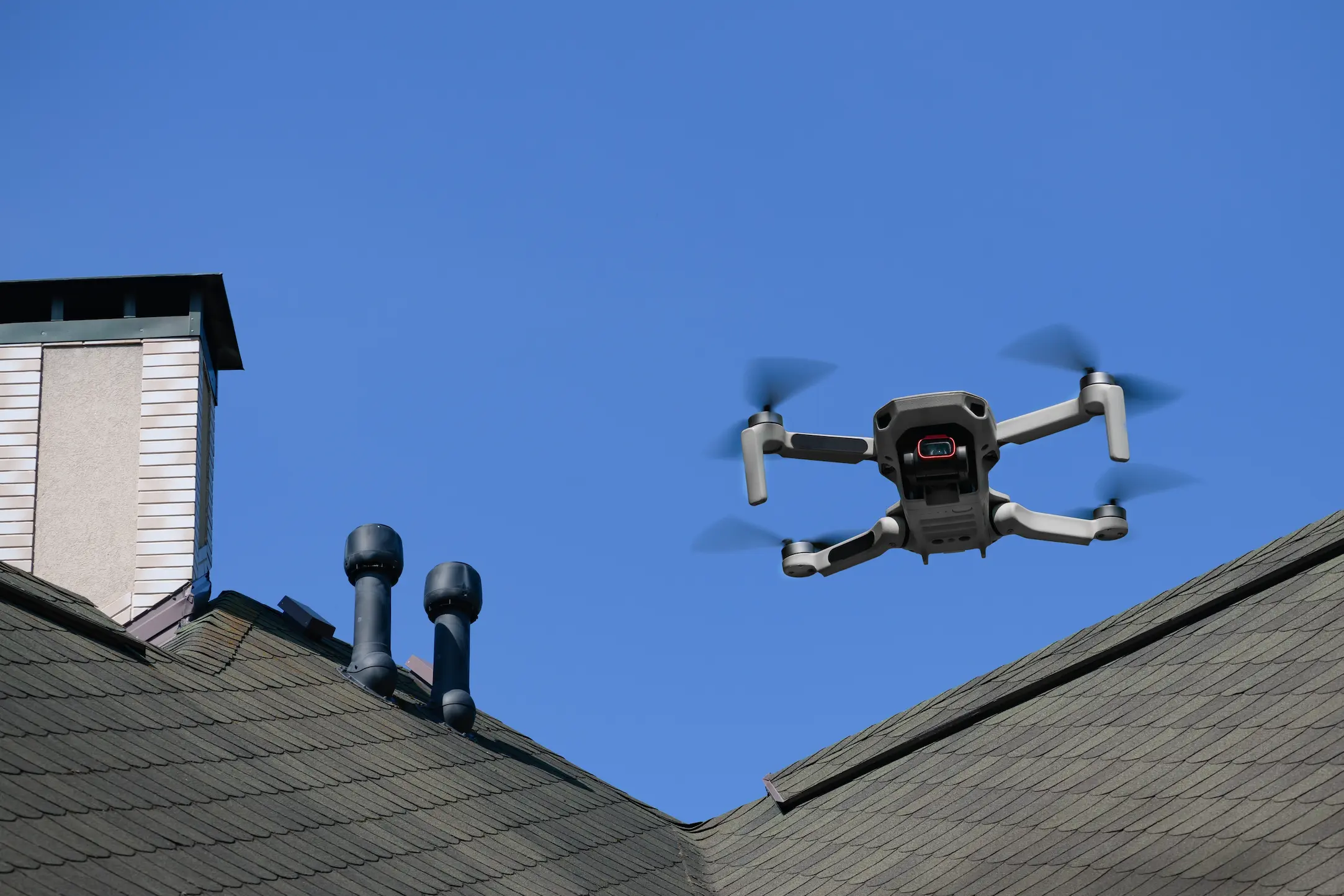
A comprehensive roof inspection serves as your first line of defense against severe weather. A professional roofer will identify weak points that might fail under the stress of heavy rain and high winds.
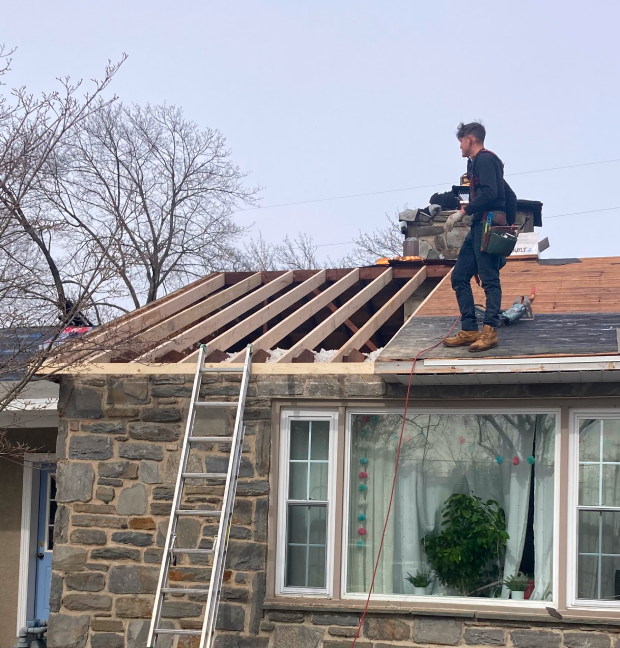
During an inspection, the roofer evaluates the condition of your shingles, flashing, gutters, and attic ventilation. They look for missing or damaged shingles, cracked chimney mortar, and deteriorating seals around skylights or vents. These minor issues might go unnoticed during normal weather but can quickly turn into major leaks during a tropical downpour.
By addressing these vulnerabilities proactively, you can prevent water from infiltrating your home. This early intervention saves you from the stress and expense of dealing with rotted decking, compromised insulation, and interior water damage after a storm.
What Steps Should Homeowners Take to Prepare for Heavy Rain?
Preparing your roof for severe weather involves several practical steps that reduce the likelihood of damage. While a professional roofer handles the structural assessment, homeowners can take action around the property.
First, clear all gutters and downspouts of leaves, sticks, and debris. Water must flow freely away from your house during a heavy downpour. Clogged gutters will overflow, sending water cascading down your siding and pooling near your foundation, which increases the risk of basement flooding.
Second, trim large trees and branches that overhang your roof. Strong wind gusts can snap dead or dangling limbs, turning them into dangerous projectiles. Pruning these branches significantly reduces the chance of a heavy limb crashing onto your roof and causing a major puncture.
Finally, secure outdoor items that could blow away. Patio furniture, trash cans, and lawn decorations can become airborne during high winds. Storing these items in a garage or tying them down prevents them from damaging your property or your neighbor’s home.
Why Is Flashing Critical During a Tropical Storm?
Flashing is the metal material installed around roof penetrations and intersections to direct water away from vulnerable areas. It is a critical component for keeping your home dry during a tropical storm.
When heavy, wind-driven rain hits your roof, it seeks the path of least resistance. Areas around chimneys, skylights, vents, and roof valleys are particularly susceptible to leaks if the flashing is compromised. Rusted, loose, or improperly installed flashing allows water to seep beneath the shingles and into the underlying structure.
A professional roofer will carefully examine all flashing during an inspection. They will ensure it is securely fastened and properly sealed. Replacing damaged flashing before a storm is a relatively simple repair that provides significant protection against water intrusion.
How Do You Know When to Call a Professional Roofer?
While routine maintenance is essential, certain signs indicate you need a professional roofer immediately. You should not wait for an annual check-up if you observe red flags on your roof or inside your home.
The most obvious warning sign is active leaking or water stains on your interior ceilings or walls. Even a small stain suggests that water has breached the roofing system. Another critical sign is finding significant amounts of shingle granules in your gutters, which indicates your shingles are deteriorating rapidly.
Visible sagging in the roofline or missing shingles after a recent storm also require immediate attention. A qualified roofer has the training and safety equipment to navigate steep pitches and accurately diagnose these issues without risking injury or causing further damage.
Partnering with Delaware County Roofing Experts
Understanding the risks of hurricane remnants is the first step in protecting your Delaware County home. By prioritizing proactive evaluations, you can catch minor issues early and ensure your roof is ready for severe weather.
At Strath Haven Roofing & Restoration, we have spent over thirty years building a reputation for honesty and exceptional craftsmanship. When you partner with us for a roof inspection, you receive a transparent assessment from a team that understands the unique demands of the Pennsylvania climate.
Do not wait for a tropical storm to reveal the weak points in your roof. Contact Strath Haven Roofing & Restoration today to schedule your professional evaluation and gain the peace of mind you deserve.
Frequently Asked Questions
How long does a professional roof inspection take? A thorough inspection typically takes between forty-five minutes to two hours. The exact time depends on the size of your home, the complexity of the roof design, and the accessibility of the attic space.
Can I inspect my roof myself before a storm? Homeowners can perform basic visual checks from the ground, such as looking for missing shingles or clearing gutters. However, a DIY check should never replace a professional inspection. Climbing onto a roof is dangerous, and professionals are trained to spot subtle signs of damage that homeowners often miss.
What happens if the roofer finds damage during the inspection? If we find significant damage, we provide a comprehensive report detailing the issues with photographic evidence. We then discuss your options, whether that involves targeted repairs or a full roof replacement, ensuring you have the information needed to make the best choice.