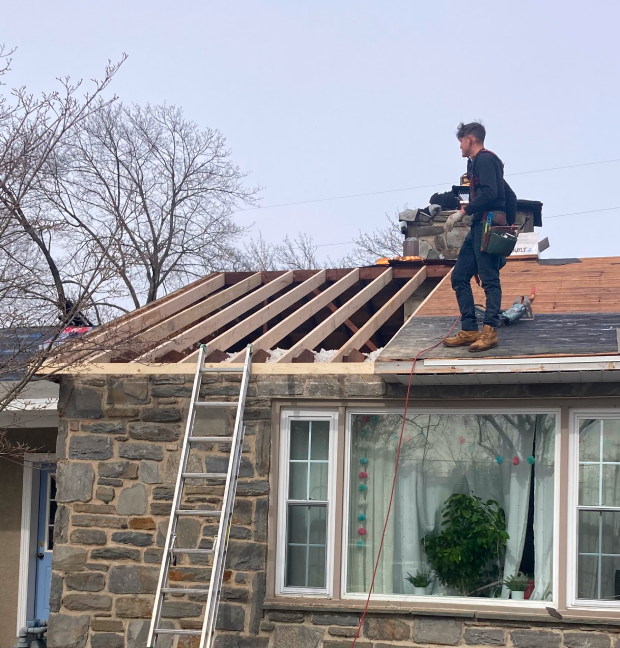
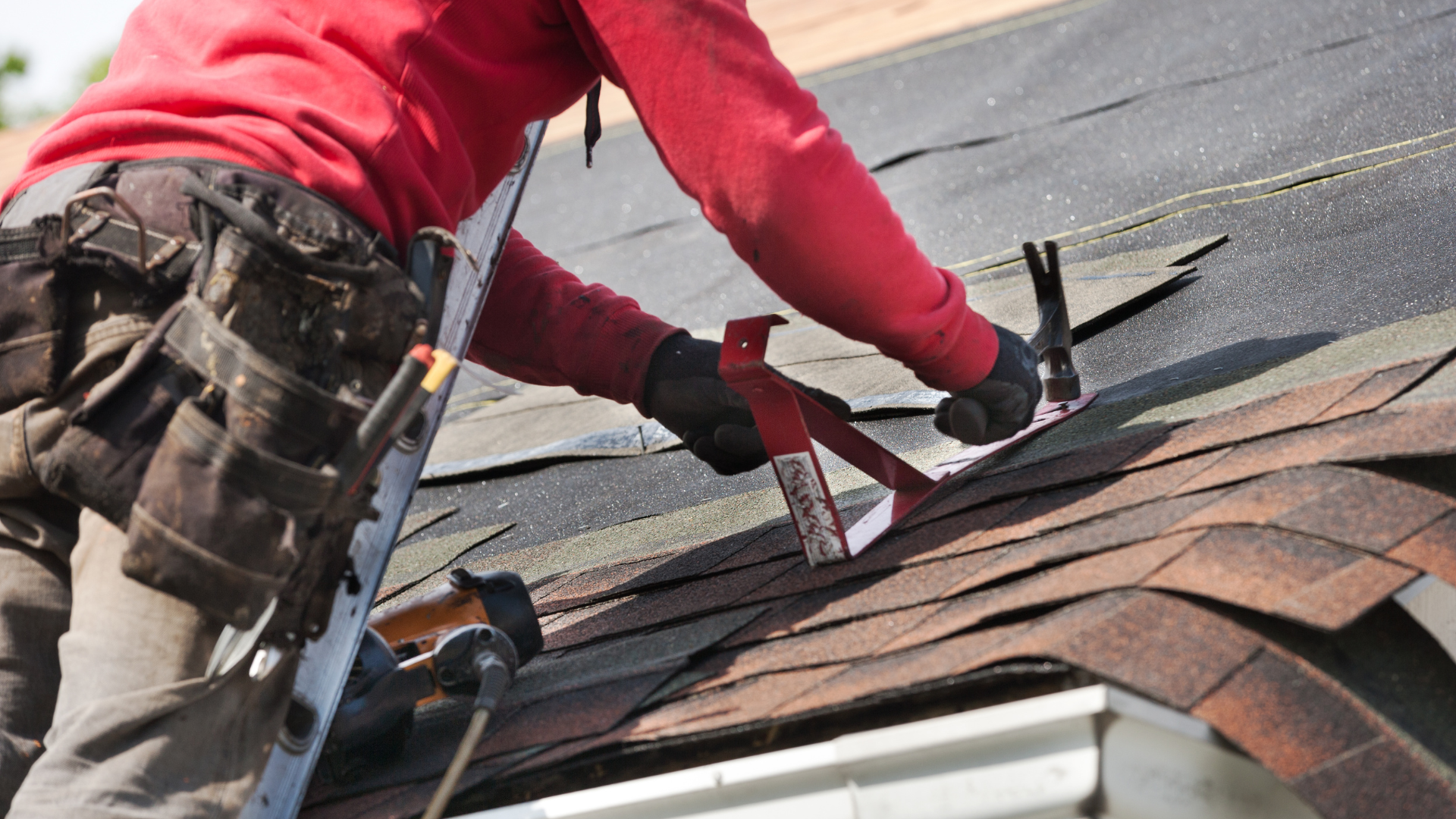
Key Points:
- Asphalt shingles require temperatures between 40°F and 80°F to properly install, making the moderate temperatures of early fall ideal for ensuring strong adhesion.
- Installing roofing materials in freezing conditions below 40°F can lead to brittle shingles that crack during installation or fail to seal completely.
- Fall provides more stable weather patterns with fewer sudden thunderstorms compared to spring, reducing the risk of water damage during the tear-off process.
- Booking roofing services during the summer ensures you secure a spot on a reputable contractor’s fall schedule before the winter rush begins.
Why Timing Matters for Roof Replacement in Pennsylvania
For Delaware County homeowners, deciding when to invest in a new roof is just as important as selecting the right materials. While emergency roofing repairs can happen at any time of year, planning a full replacement requires strategic timing. Many homeowners wait until their roof is actively leaking in the middle of winter, only to discover that cold weather installation presents significant challenges.
The transition from summer to fall is widely recognized in the construction industry as the optimal window for exterior home improvements. During this period, the intense heat of summer has subsided, yet the freezing temperatures of winter are still weeks away. This specific climate balance provides the perfect environment for roofing materials to perform exactly as manufacturers intended.
Understanding the relationship between temperature and roofing materials can help you avoid hidden roofing problems and costly repairs down the road. When you schedule your replacement during the ideal weather window, you ensure that your investment will provide maximum protection for decades to come.
The Science of Temperature and Shingle Adhesion
The primary reason early fall is the best time for roof replacement comes down to the physical properties of asphalt shingles. Modern architectural shingles feature a factory-applied adhesive strip designed to bond the overlapping courses together. This thermal sealant requires the warmth of the sun to activate and create a watertight seal across your entire roof deck.
According to building science research, the ideal temperature range for asphalt shingle installation is between 40°F and 80°F. When temperatures fall below 40°F, the asphalt material becomes stiff and brittle. Installers must handle the shingles with extreme care to prevent cracking, and the adhesive strips may not fully activate until warmer weather arrives months later. This delayed sealing leaves your new roof vulnerable to high winds and ice dams throughout the winter.
Conversely, installing a roof during the peak heat of a Delaware County summer presents its own set of challenges. High temperatures can cause asphalt shingles to become overly pliable, making them susceptible to scuffing or tearing under the weight of the installation crew. The moderate temperatures of September and October provide the perfect middle ground, allowing the shingles to remain flexible for installation while receiving enough solar heat to activate the sealant strips properly.
Weather Stability and Project Efficiency
Beyond material performance, weather stability plays a crucial role in the success of a roofing project. Spring in Southeastern Pennsylvania is notoriously unpredictable, with sudden rain showers that can disrupt a project and leave a home temporarily exposed to moisture. If you have read our guide on why timely roof repairs matter in Swarthmore, you know that water intrusion during construction is a major concern.
Fall weather patterns tend to be more stable, offering longer stretches of dry, clear days. This predictability allows roofing crews to work efficiently without the constant threat of sudden downpours. A dry roof deck is essential for a successful installation, as trapping moisture beneath the new underlayment can lead to premature deterioration of the wood decking and eventual mold growth in the attic.
Furthermore, the comfortable working temperatures of fall reduce crew fatigue. When installers are not battling the extreme heat of a July afternoon or the biting wind of a January morning, they can maintain a steady, careful pace. This consistent workflow translates directly into higher quality craftsmanship and attention to detail, particularly around complex areas like chimneys, valleys, and skylights where proper flashing is critical.
Navigating the Peak Roofing Season
Because early fall offers the best conditions for installation, it is also the busiest time of year for reputable roofing contractors. Homeowners across Delaware County are rushing to complete their exterior projects before the snow flies. This surge in demand means that waiting until September to call a roofer often results in scheduling delays that push the project into the risky winter months.
To secure a spot on a top-tier contractor’s fall schedule, proactive homeowners begin the process during the summer. This lead time allows for a comprehensive roof inspection, careful material selection, and proper permitting without the pressure of an impending blizzard. If you wait until you see roof replacement warning signs during a November rainstorm, you may find that the best local crews are booked solid until spring.
Comparing Roof Replacement Seasons in Pennsylvania
| Season | Temperature Impact | Weather Risks | Contractor Availability |
|---|---|---|---|
| Spring | Good for adhesion | High risk of sudden rain | High demand begins |
| Summer | Shingles become soft/scuff easily | Extreme heat fatigue | Steady demand |
| Early Fall | Ideal for proper sealing | Most stable dry periods | Peak demand (Book early) |
| Winter | Shingles brittle, sealant fails | Snow, ice, freezing winds | High availability, high risk |
Preparing Your Home for a Fall Installation
If you decide to proceed with a fall roof replacement, a little preparation goes a long way in ensuring a smooth process. Start by clearing your driveway and surrounding areas to provide the crew with easy access for their equipment and dumpsters. The fall season often means leaves are dropping, so ensuring your gutters are clear before the crew arrives can help them assess the fascia boards more accurately.
Inside your home, the vibrations from removing the old roof and installing the new one can be significant. It is a good idea to remove fragile items from walls on the upper floors and secure any loose items stored in the attic. If you have pets, planning for them to be away from the house or secured in a quiet room will reduce their stress and keep the work zone safe.
Finally, take the time to review our guide on how to choose a roofing contractor. Selecting a local company with deep roots in Delaware County ensures that your installation team understands the specific weather challenges of our region and will be available to honor their warranty for years to come.
Secure Your Fall Roof Replacement Today
Do not wait until the first winter storm to realize your roof is failing. The optimal window for roof replacement is short, and the best local crews fill their schedules quickly. By acting now, you can ensure your home is protected by a properly installed, fully sealed roof before the harsh Pennsylvania winter arrives.
At Strath Haven Roofing & Restoration, we have been protecting homes in Delaware County since 1992. Our team of full-time specialists is dedicated to providing expert craftsmanship and honest, reliable service. We treat every home as if it were our own, ensuring that no corners are cut when it comes to your family’s safety and peace of mind.
Contact Strath Haven Roofing & Restoration today to schedule a thorough assessment of your roof. Our team will evaluate your home’s needs and help you secure a spot on our fall installation schedule, ensuring you receive the highest quality roofing services under the best possible conditions.
FAQ
1. Can a roof be replaced in the winter if it is an emergency? Yes, emergency replacements can be performed in winter, but they require specialized techniques and sometimes manual sealing of each shingle. It is always preferable to schedule a replacement during the warmer fall months if possible.
2. How long does a typical roof replacement take in the fall? Most single-family homes in Delaware County can have their roof replaced in one to three days, assuming the weather remains clear and there is no extensive structural damage to the decking beneath the old shingles.
3. Will replacing my roof in the fall disrupt my heating system? No, a standard roof replacement does not interfere with your home’s interior heating system. However, the crew will inspect your attic ventilation to ensure that your new roof allows for proper airflow, which is essential for preventing ice dams in the winter.