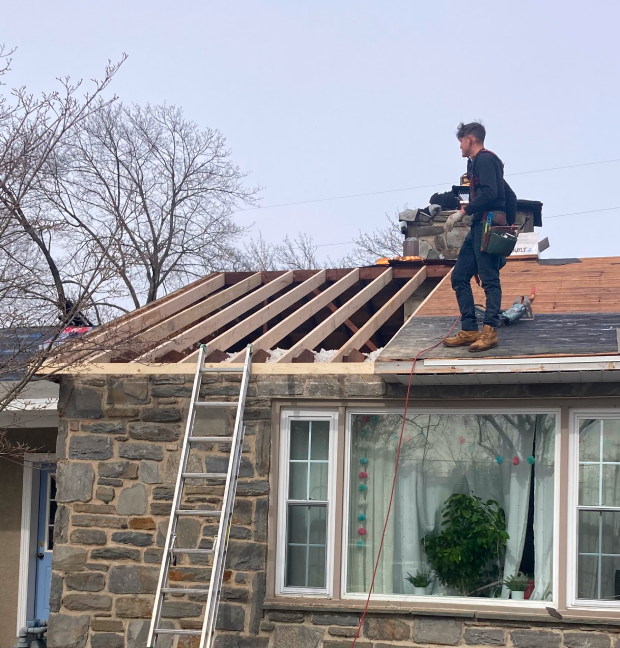

Key Points:
- Asphalt shingles absorb a tremendous amount of heat during summer months, which can cause them to warp, crack, and become brittle over time.
- Ultraviolet (UV) ray exposure deteriorates the protective coating on roofing materials, weakening their ability to repel water and reflect heat.
- Poor attic ventilation traps hot air and humidity, leading to moisture buildup that can rot the roof decking from the inside out.
- A professional roofer can identify hidden heat damage and help you determine if targeted repairs or a complete roof replacement is the most cost-effective solution.
Why Summer Weather is Tough on Your Roof
When the temperature rises in Southeastern Pennsylvania, most homeowners start thinking about air conditioning and lawn care. However, the intense summer heat and humidity are quietly putting your home’s primary defense system to the test. While winter freeze-thaw cycles get a lot of attention, the prolonged exposure to direct sunlight and high temperatures during the summer months can be equally destructive to your roofing materials.
Asphalt shingles are the most common type of roofing material in the United States, used in roughly three out of four residential projects. While they are designed to be durable, they are not invincible to the relentless heat of a Pennsylvania summer. Unshaded roofs can reach staggering temperatures, sometimes exceeding 150 degrees Fahrenheit. This extreme heat accelerates the aging process of the materials, leading to a variety of issues that can compromise the integrity of your home.
Understanding how warm weather affects your roof is the first step in preventing costly water damage. By learning to recognize the early warning signs of heat stress, you can take proactive measures to protect your investment. This guide explores the most frequent summer roofing problems we encounter in Delaware County and the surrounding areas, helping you make informed decisions about maintenance and repair.
How Intense Heat Damages Asphalt Shingles
The most significant threat to your roof during the summer is the direct impact of high temperatures on asphalt shingles. Darker colored shingles, which are popular on many colonial and traditional homes in our area, absorb significantly more heat than lighter colors. This constant cycle of heating up during the day and cooling down at night causes the materials to expand and contract repeatedly.
Over time, this thermal movement takes a toll. The asphalt begins to dry out and lose its flexibility. You might notice the edges of the shingles starting to curl upward or the corners becoming brittle and cracking. Once the shingles lose their structural integrity, they can no longer provide a watertight seal. This leaves the underlying roof decking vulnerable to moisture intrusion during the next heavy summer thunderstorm.
Furthermore, the extreme heat can cause the protective granules on the surface of the shingles to loosen and wash away. These granules are essential for protecting the asphalt from UV degradation and providing fire resistance. If you start seeing a significant accumulation of granules in your gutters, it is a strong indicator that your shingles are deteriorating and may be nearing the end of their useful lifespan.
The Hidden Danger of UV Ray Exposure
While the heat itself is damaging, the ultraviolet (UV) radiation from the sun acts as a silent destroyer. UV rays penetrate the atmosphere even on cloudy days, meaning your roof is constantly exposed to this invisible threat. The radiation breaks down the chemical bonds in the asphalt, causing the material to degrade at a molecular level.
This UV degradation weakens the protective coating on the shingles, making them more susceptible to physical damage from wind and hail. It also diminishes the roof’s ability to reflect solar energy, which can lead to increased cooling costs for your home. As the shingles lose their protective qualities, they become less effective at shedding water, increasing the likelihood of leaks developing in vulnerable areas like valleys and flashing.
The effects of UV damage are cumulative and irreversible. While you cannot stop the sun from shining, you can mitigate the impact by ensuring your roof is properly maintained. A qualified roofer can assess the level of UV degradation and recommend solutions, such as applying a reflective coating or, in severe cases, planning for a roof replacement with more UV-resistant materials.
Why Proper Attic Ventilation is Crucial in Summer
One of the most overlooked aspects of a healthy roof is the ventilation system in the attic. During the summer, the temperature inside an unventilated attic can soar well above the outside air temperature. This trapped heat essentially bakes the roof decking from the inside out, accelerating the deterioration of the shingles above.
Proper attic ventilation is designed to create a continuous flow of air, drawing cooler air in through the soffit vents and expelling the hot, humid air out through the ridge or gable vents. When this system is functioning correctly, it helps regulate the temperature of the roof deck, reducing the thermal stress on the shingles. Many older homes in Southeastern Pennsylvania have inadequate ventilation, making them particularly susceptible to premature roof failure.
In addition to heat buildup, poor ventilation can lead to significant moisture problems. High humidity levels in the summer can cause condensation to form on the underside of the roof decking. Over time, this persistent moisture can lead to wood rot, mold growth, and a compromised structural framework. Ensuring your attic is adequately ventilated is one of the most effective ways to protect your roof and extend its lifespan.
Comparing Your Options: Repair vs. Roof Replacement
When faced with warm-weather roof problems, homeowners often struggle to decide between investing in targeted repairs or committing to a full roof replacement. Making the right choice requires a careful evaluation of the roof’s overall condition, age, and the extent of the damage.
Targeted repairs are often appropriate for localized issues, such as replacing a few cracked shingles or resealing damaged flashing around a chimney. If your roof is relatively new and the damage is isolated, a repair can be a cost-effective way to restore its integrity. However, it is important to remember that repairing a roof that is already nearing the end of its lifespan is often a temporary fix that only delays the inevitable.
A complete roof replacement becomes necessary when the damage is widespread or when the materials have degraded to the point where they can no longer provide reliable protection. If you notice extensive curling, significant granule loss, or signs of moisture damage in the attic, a replacement is likely the most prudent investment. While the upfront cost is higher, a new roof provides long-term peace of mind and can significantly improve your home’s energy efficiency and curb appeal.
Factors to Consider When Evaluating Your Roof
| Evaluation Factor | Indicators for Repair | Indicators for Replacement |
|---|---|---|
| Age of Roof | Under 15 years old | Approaching or exceeding 20 years |
| Extent of Damage | Isolated to a small area | Widespread across multiple sections |
| Shingle Condition | Mostly intact, minor cracking | Extensive curling, brittleness, granule loss |
| Attic Inspection | Dry, well-ventilated | Signs of moisture, wood rot, or mold |
| Previous Repairs | Few or no prior issues | Frequent leaks and repeated repairs |
Partner with a Trusted Local Professional
Identifying and addressing warm-weather roof problems requires specialized knowledge and experience. Attempting to diagnose these issues yourself can be dangerous and may lead to overlooking critical structural concerns. A professional roofer has the training to spot the subtle signs of heat damage and UV degradation that are often invisible to the untrained eye.
When selecting a roofer, it is essential to choose a local company with a proven track record in Southeastern Pennsylvania. A reputable design-build firm or established roofing specialist will understand the specific climate challenges in our area and can recommend the most appropriate materials and ventilation strategies for your home. They will provide a transparent assessment of your roof’s condition and guide you through the decision-making process without relying on high-pressure sales tactics.
At Strath Haven Roofing & Restoration, we have been helping homeowners navigate the complexities of roof maintenance and replacement since 1992. Our team of full-time specialists is committed to providing exceptional craftsmanship and honest advice. We treat every home with the utmost respect and ensure that every project is completed to the highest standards of quality.
Schedule a comprehensive roof inspection with Strath Haven Roofing & Restoration. Our team will assess the damage, explain exactly what you’re looking at, and help you determine the best path forward, with no pressure and no surprises.
FAQ
1. How can I tell if my roof has heat damage? Look for signs such as curling or blistering shingles, cracked asphalt, and a significant accumulation of granules in your gutters. You may also notice that your home is harder to cool during the summer, which can indicate poor attic ventilation and excessive heat buildup.
2. Does homeowners insurance cover roof replacement for heat damage? Typically, homeowners insurance covers sudden and accidental damage, such as that caused by a severe storm or fallen tree. Damage resulting from normal wear and tear, aging, or prolonged exposure to heat and UV rays is generally considered a maintenance issue and is not covered by standard policies.
3. Can I just paint my roof with a reflective coating to fix the problem? While a reflective coating can help reduce heat absorption, it is not a substitute for repairing or replacing damaged shingles. If the underlying materials are already compromised, a coating will not restore their structural integrity. A professional inspection is necessary to determine if a coating is a viable solution.