
Key Points
- Solar panels and roofing should be planned together when a roof is aging, leaking, or likely to need replacement soon.
- The U.S. Department of Energy says roof size, shape, slope, shading, and location all affect solar suitability and potential.
- A responsible plan separates the roofing scope from the solar and electrical scope, confirms permits and approvals, and explains who handles future panel removal if the roof needs work.
Why Solar Integration Starts with the Roof
The question is not simply, “Can solar panels fit on my roof?” The better question is, “Can my roof support a solar plan that remains practical when the roof, panels, flashing, and electrical work all need attention over time?”
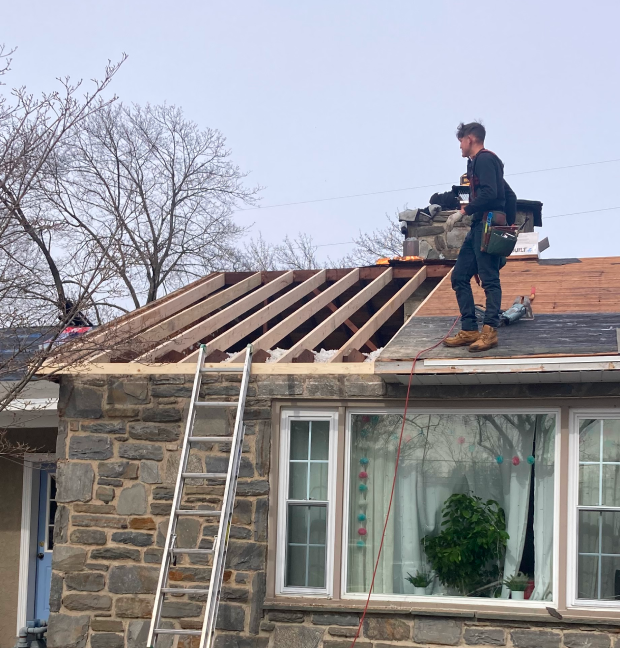
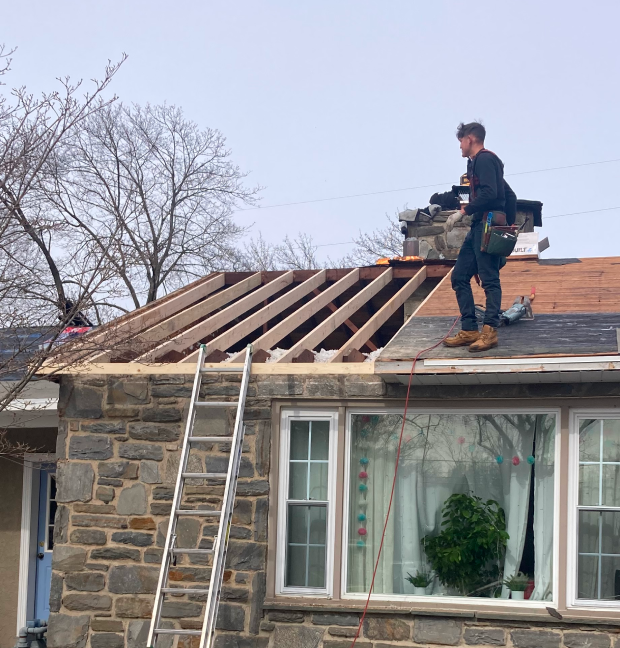
Solar panels are installed on top of the roof, but the roof remains the building’s water-shedding system. If shingles are near the end of their service life, flashing is failing, or the roof has unresolved leaks, installing solar first may create a difficult sequencing problem later.
The U.S. Department of Energy recommends considering the size, shape, and slope of the roof when evaluating solar suitability. It also directs homeowners to consider shading, power generation, installer selection, safety, permits, utility arrangements, and the timing of roof replacement.
For Delaware County homeowners, that planning conversation can be especially important on homes with multiple roof slopes, additions, dormers, chimneys, skylights, or mature trees. The roof area that appears open from the driveway may not be the same roof area that offers the best solar exposure.
Is Your Existing Roof Ready for Solar?
A solar consultation should not begin and end with panel placement. Start by reviewing the roof’s current condition. Look for recurring leaks, curling or missing shingles, exposed underlayment, roof-edge deterioration, damaged flashing, and previous repairs that may indicate broader wear.
A roof inspection can help determine whether the roof is a reasonable foundation for the solar project or whether replacement should happen first. If the roof needs to be removed soon after the panels are installed, the homeowner may face additional coordination, removal, storage, and reinstallation questions.
That does not mean every older roof must be replaced before solar. The correct answer depends on the roof’s condition, expected service life, repair history, and the solar system’s planned location. A qualified roofing professional should explain the condition they observed instead of using the presence of solar as a reason to recommend unnecessary work.
Our roof replacement warning signs resource can help you organize your initial questions. For a more complete evaluation, see the complete Delaware County roof inspection guide.
| Existing roof condition | Sensible planning question |
|---|---|
| Roof is in sound condition with no active leaks | Can the solar layout avoid roof features and preserve service access? |
| Roof has isolated repairable concerns | Should the repairs be completed before panel installation? |
| Roof has widespread wear or repeated leaks | Is roof replacement more practical before solar is installed? |
| Roof includes complex additions or multiple materials | Which roof areas can safely support the planned installation? |
| Roof has skylights, chimneys, or difficult flashing transitions | How will the solar layout preserve water-shedding details and access? |
How Roof Shape, Shading, and Orientation Affect Solar Planning
The Department of Energy explains that solar rooftop potential depends on factors including roof size, shading, tilt, location, and atmospheric conditions. A panel count alone does not tell you whether a system is well designed for a particular roof.
Shading from trees, neighboring structures, chimneys, and roof features can change how much usable roof area is available. A large south-facing plane may perform differently from a smaller plane with less obstruction. The solar designer should show how these conditions affect the proposed layout rather than presenting a generic array.
Delaware County homes can also have roof geometry that changes across additions or porches. A roof plane may look continuous from the ground while using different slopes, materials, or framing conditions. The roofing and solar teams should identify those differences before finalizing the plan.
Ask for a roof diagram that shows the panel locations, equipment, roof penetrations, access paths, setbacks where applicable, and areas intentionally left open. This drawing becomes useful when discussing future repairs or roof replacement.
Solar Installer and Roofer: Who Is Responsible for What?
Solar integration works best when the responsibilities are clear before installation. The roofer evaluates the roof assembly, roof covering, flashing, roof penetrations, and water-shedding details. The solar professional designs the photovoltaic system, equipment, wiring, production model, and electrical interconnection. Some companies coordinate both scopes, while others work as separate teams.
Do not assume that one company automatically assumes responsibility for the other company’s work. Ask who will install or modify roof attachments, who will seal and flash penetrations, who will pull permits, who will coordinate inspections, and who will respond if water enters around an attachment after the project.
| Planning question | Why it matters |
|---|---|
| Who evaluates the existing roof? | Solar production analysis does not replace a roof-condition assessment. |
| Who is responsible for roof attachments and flashing? | Water-shedding details need a clearly assigned installer. |
| Which permits and inspections are required? | Requirements vary by municipality and project scope. |
| What happens if concealed roof damage is found? | The homeowner needs a written process before work begins. |
| Who removes and reinstalls panels for future roofing work? | Future roof maintenance can require coordination with the solar company. |
| Which warranties cover the roof and solar equipment? | Separate warranties may have different exclusions and claim procedures. |
For roofing-specific planning, review Strath Haven’s roof installation services and roof installation guide for homeowners. These pages address the roofing side of the project, not the solar installer’s electrical scope.
Should You Replace the Roof Before Installing Solar?
There is no universal answer, but the sequencing decision should be made before the solar contract is finalized. Replacing a roof before solar may be more practical when the roof has widespread wear, recurring leaks, failing flashing, or a limited remaining service life.
Installing solar on a sound existing roof may be reasonable when the roof condition has been documented and the attachment plan is compatible with the roofing system. If only a small area needs repair, a targeted repair may be appropriate, but the homeowner should understand how the solar layout affects access to that area.
The trade-off is straightforward. Replacing a roof first adds work to the initial project, but it may reduce the chance of removing a relatively new solar array for roofing work later. Keeping a serviceable roof avoids unnecessary replacement, but it requires an honest assessment of how long the roof is likely to remain reliable.
Our guide to roof repair versus roof replacement can help frame the decision. It is still important to have the current roof inspected rather than relying on age alone.
What Homeowners Should Confirm Before Signing a Solar Roofing Plan
A clear plan should describe the roof condition, the proposed solar layout, the installation sequence, responsibility for attachments and flashing, and the process for concealed conditions. It should also identify which company handles each permit, inspection, warranty, and future service question.
Use this checklist during your consultations:
- Roof condition: Has the roof been inspected by a qualified roofing professional?
- Roof layout: Does the proposed array avoid skylights, chimneys, valleys, and areas needed for future access?
- Shading: Does the production estimate account for trees and nearby structures?
- Attachment details: Are the roof penetrations and water-shedding details explained in writing?
- Project sequence: Will roof replacement or repair occur before panel installation if needed?
- Permits and approvals: Has the team identified the municipal, utility, and electrical approvals that apply to the project?
- Future roof work: Who will remove and reinstall panels if the roof needs work later?
- Warranty boundaries: Which warranty covers the roofing work, and which covers the solar equipment and installation?
- Change conditions: What happens if the installer finds damaged decking, framing, or concealed moisture?
- Final documentation: Will the homeowner receive photographs, inspection records, warranties, and system information after completion?
The Department of Energy encourages homeowners to research installers and understand the process before going solar. A homeowner who asks these questions is not slowing the project down. They are clarifying the responsibilities that protect the roof and the investment.
How Skylights, Chimneys, and Flashing Affect Solar Integration
Roof penetrations and transitions need special attention when panels are added. A solar layout should not force attachments into areas where flashing is already managing water around a chimney, skylight, vent, or roof-to-wall transition.
The goal is not simply to fill every open section of roof with panels. It is to preserve the roof’s water-shedding details and leave reasonable access for future inspection and maintenance. Homeowners with skylights can review our skylight services and why flashing matters resources before approving a combined project.
If the home has a historic roof or unusual materials, discuss how the solar layout will affect the character and maintenance of the roof. Strath Haven’s historic restoration services may be relevant to that roofing discussion, although solar design and electrical work remain separate scopes that should be confirmed with the solar professional.
Plan Solar Roofing Around the Roof You Actually Have
Solar can be a worthwhile home improvement, but good solar integration starts with accurate information about the roof. Confirm the roof’s condition, understand the shading and layout constraints, assign responsibilities between roofing and solar teams, and decide the installation sequence before signing the final plan.
Strath Haven Roofing & Restoration has served Delaware County since 1992. Homeowners can review the company’s full roofing and restoration services when planning the roofing side of a solar project. Its full-time roofing specialists can assess the roof condition and help homeowners understand whether repair, replacement, flashing work, or installation coordination should happen before solar is added.
Schedule a roof assessment with Strath Haven Roofing & Restoration before committing to a solar roofing plan. The team will explain the roof’s current condition, identify work that may need to happen first, and help you coordinate the roofing side of the project with no pressure and no surprises.
FAQ: Solar Roofing and Roof Integration
Should I replace my roof before installing solar panels?
Not automatically. Replacement may make sense when the roof has widespread wear, recurring leaks, failing flashing, or limited remaining service life. A roof inspection should guide the decision rather than age alone.
Can solar panels damage a roof?
Solar attachments create penetrations or connection points that must be installed and managed correctly. Ask who is responsible for the attachment, flashing, roof protection, inspection, and future service if the roof needs repair.
What roof features affect solar panel placement?
Roof slope, size, shape, shading, chimneys, skylights, valleys, additions, and nearby structures can all affect the usable layout. The Department of Energy identifies roof characteristics and shading as important factors in solar potential.